
Owning and maintaining a classic car is more than just a hobby; it’s a passion, a connection to history, and a labor of love. Whether you’re behind the wheel of a vintage Mustang, a Corvette from the 1960s, or a unique European model, there’s something special about driving a car that represents a significant era in automotive history. But owning a historic automobile comes with its set of challenges, particularly when it comes to sourcing replacement parts. As these cars age, finding original components can become increasingly difficult, and the cost of purchasing new parts can be prohibitive. This is where classic used car parts come into play.
In this guide, we’ll walk you through everything you need to know about sourcing second-hand vintage car parts. Whether you’re restoring a barn-find or keeping your classic in perfect working order, this article will help you do so without breaking the bank. We’ll explore why used car parts are necessary, where to find them, and how to make sure you’re getting the best deal possible.
What Makes Classic Used Car Parts Such an Important Investment?
Classic cars are more than just machines—they are a piece of history, often representing a particular time period, design philosophy, and automotive engineering. As these cars continue to age, it’s crucial to preserve as much of their originality as possible. But, over time, certain parts wear out or become obsolete, and finding the right replacement is essential for keeping the car both functional and true to its heritage. classic used car parts are vital to achieving this goal for several key reasons.
1. Preserving Originality and Authenticity
For many car enthusiasts and collectors, preserving the original condition of a vintage car is paramount. Using original, second-hand parts is one of the best ways to keep the vehicle’s authenticity intact. While aftermarket parts may be tempting, they can alter the car’s appearance and performance, often detracting from its historical value. By opting for used parts that match the ones originally installed in the car, you’re not only maintaining its original aesthetic but also protecting its value in the long run.
2. Locating Rare and Discontinued Components
Classic cars, especially those from manufacturers that are no longer in business, can be notoriously difficult to source parts for. Some components, such as engine blocks, trim pieces, or specific body panels, may no longer be in production. For rare or discontinued parts, used car components become your best option. By scavenging through salvage yards, online marketplaces, and classic car networks, you can find parts that are otherwise unavailable new.
3. Cost-Effective Solutions
New replacement parts for classic cars can be incredibly expensive, particularly for rarer models or those with limited production runs. Used parts offer a more affordable alternative, often providing the same quality and reliability as their new counterparts. While some might worry about the longevity of used parts, many vintage components have proven their durability over decades, especially if they’ve been well-maintained. By carefully sourcing parts, you can restore your car without putting a strain on your budget.
4. Environmental Benefits
Choosing used parts isn’t just an economical decision—it’s also an environmentally responsible one. By reusing components from older vehicles, you’re contributing to reducing waste and the need for new manufacturing processes, which in turn lowers the environmental footprint of your restoration project. In an era where sustainability is becoming increasingly important, reusing parts is a small yet meaningful way to make a difference in the automotive world.
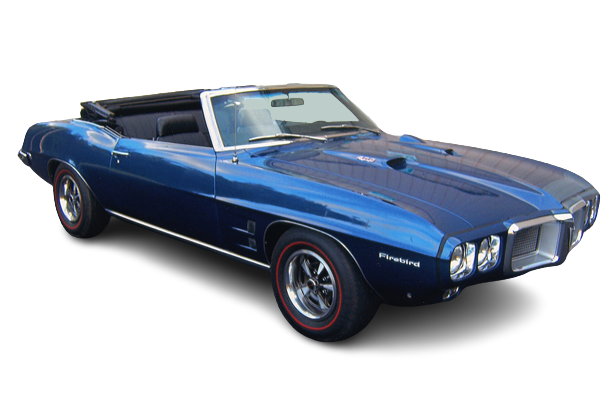
The Most Common Types of Used Classic Car Parts
When maintaining or restoring a vintage automobile, there are a few key components that will likely need to be replaced. Below is a breakdown of the most common types of second-hand classic car parts you might come across:
1. Engine Components
The engine is undoubtedly the heart of any vehicle, and keeping it running smoothly is crucial for the performance and longevity of a classic car. Engine parts such as carburetors, cylinder heads, camshafts, timing belts, and crankshafts often need replacement after decades of use. Finding used engine components can be challenging, but it is essential for restoring the engine’s original power and efficiency. With careful inspection, many used engine parts can still deliver years of reliable service.
2. Suspension and Steering Components
The suspension and steering systems are responsible for the handling and ride quality of your vehicle. Over time, components such as shock absorbers, control arms, and steering racks may degrade or wear out. Replacing these parts is crucial for maintaining the comfort and safety of your classic car. Used suspension and steering components are often the best option for restoring your car’s handling characteristics, particularly for rare or discontinued models.
3. Drivetrain and Transmission
Classic cars often feature unique or specialized drivetrain and transmission systems. Whether it’s a manual gearbox, differential, or clutch assembly, these parts are critical for ensuring that your car shifts smoothly and drives efficiently. Finding replacement parts for vintage transmissions can be difficult, and used components from other classic vehicles may be the best solution to avoid costly repairs or overhauling the entire system.
4. Electrical Components
Although vintage cars don’t have the complex electrical systems of modern vehicles, components like alternators, distributors, ignition coils, and wiring still require replacement over time. Electrical components in older cars tend to wear out, and finding second-hand parts that match your vehicle’s specifications is often the most cost-effective way to keep the car running smoothly. These parts are particularly important for keeping the car’s electrical systems functional while retaining their period-correct look.
5. Body Panels and Trim Pieces
As with any vehicle, the body of a classic car can be subject to damage over time, including rust, dents, and scratches. When restoring a car, sourcing used body panels and trim pieces is often necessary to preserve the vehicle’s original appearance. Whether you’re replacing a door, a bumper, or a fender, used parts allow you to restore the vehicle’s aesthetics without resorting to aftermarket options that may not match the original design.
6. Interior Components
The interior of a classic car is another area where used parts are essential. Over time, upholstery, dashboard panels, door trim, and seats can wear out. Restoring the interior with used parts is one of the best ways to maintain the car’s authenticity. Often, finding second-hand interior components is far more affordable than purchasing brand-new replacements that may not match the original materials or craftsmanship.
Where to Find Quality Used Classic Car Parts
Locating high-quality used car parts for vintage vehicles can be challenging, but with the right resources, it’s entirely possible. Below are some of the best places to look for used classic car parts:
1. Specialty Salvage Yards
Some salvage yards specialize in classic and vintage automobiles. These yards are often the best places to find hard-to-get parts. Many focus on specific makes or models, making it easier to find the exact components you need. If you’re working on a rare car, a specialty salvage yard might be your best bet for sourcing quality, original parts.
2. Online Marketplaces
The internet has revolutionized the way classic used car parts enthusiasts source parts. Websites like eBay, Craigslist, and Hemmings offer a wealth of listings for used car parts, from engine components to interior trim. Make sure to review the seller’s feedback and ratings before purchasing, and always ask for clear photographs and additional information about the part’s condition.
3. Classic Car Forums and Communities
Online communities dedicated to classic cars are not only great for getting advice but are also ideal for buying and selling used parts. Websites such as ClassicCarRestorationClub.com, as well as various marque-specific forums, feature classified sections where members trade used components. These communities are often comprised of passionate and knowledgeable enthusiasts who are eager to help you find what you need.
4. Swap Meets and Car Shows
Attending swap meets, classic car auctions, or concours events is another excellent way to find used parts. These events often feature vendors who specialize in classic car parts and accessories. You’ll also have the chance to inspect the parts in person and ask the seller about their condition, ensuring you’re making an informed purchase.
5. Specialized Dealers
Some dealers focus exclusively on selling used classic car parts. While they may be more expensive than salvage yards or private sellers, the parts they offer are often carefully inspected, and you can be sure of their quality and compatibility. Many of these dealers have extensive knowledge of specific makes and models, so they’re a great resource if you’re working on a rare or niche vehicle.
Tips for Buying Used Classic Car Parts
When buying second-hand parts for your vintage car, it’s important to take a few precautions to ensure you’re getting a quality item:
1. Inspect Parts Thoroughly
Before purchasing, always inspect the part for signs of wear, rust, or damage. While some wear is normal, excessive corrosion or cracks can affect the part’s performance and longevity. Ask for detailed pictures or, if possible, examine the part in person.
2. Verify Authenticity
Check that the part is genuine and matches the specifications of your vehicle. Using non-original parts or parts that don’t fit properly can negatively impact your car’s value and performance.
3. Return Policies and Warranties
Whenever possible, buy from sellers who offer return policies or warranties. This gives you peace of mind that you can return the part if it doesn’t fit or isn’t in the expected condition.
4. Confirm Compatibility
Make sure the part is compatible with the specific make, model, and year of your vehicle. Even small design changes can affect how a part fits or functions.
The Benefits of Using Classic Car Parts
When it comes to maintaining or restoring a vintage vehicle, classic used car parts are the cornerstone of preserving its authenticity, performance, and value. While many classic car owners may be tempted to use modern or aftermarket components to repair or upgrade their vehicles, there are significant advantages to sticking with original, period-correct classic car parts. Whether you’re working on a beloved muscle car, a vintage European sports car, or any other classic model, using classic car parts offers several compelling benefits.
1. Preserving the Vehicle’s Originality
One of the primary reasons classic car enthusiasts seek out original parts is to preserve the vehicle’s authenticity. Vintage cars, especially rare or collectible models, hold significant value due to their originality. Replacing worn-out components with aftermarket parts can alter the car’s look, feel, and performance, often diminishing its historical accuracy. Classic used car parts are designed specifically for the vehicle they were originally installed in, ensuring the car maintains its factory specifications and appearance.
Collectors and purists prioritize originality because a car’s value is often tied to how close it is to its original state. Original parts help keep the vehicle true to its factory condition, which can have a considerable impact on its resale value. Whether you’re restoring a car for personal enjoyment or investment, using classic car parts is the best way to ensure it remains as close to its original form as possible.
2. Better Fit and Compatibility
When replacing components in a classic car, fitment is crucial. Aftermarket parts, while sometimes designed to be universal, may not fit perfectly or work as seamlessly with the vehicle’s other components. Classic car parts are engineered specifically for the model, ensuring that each part fits correctly and functions as it was intended to. This is particularly important for components such as engine parts, suspension systems, and interior trim, where precision and compatibility are key to maintaining the vehicle’s overall performance and safety.
Using original parts also ensures that the car retains its original driving experience. Whether it’s the handling of the suspension or the feel of the steering, using classic car parts guarantees that your vehicle performs in line with the manufacturer’s specifications, offering the best possible driving experience.
3. Maintaining Performance and Functionality
Vintage cars were built with specific components that were designed to optimize their performance. Over the years, technology has advanced, but replacing those original parts with modern substitutes can often lead to a loss of performance or functionality. Classic car parts, having been manufactured to match the vehicle’s original engineering, ensure that your car continues to perform as it did when it was first released.
For example, engine components such as carburetors, camshafts, and pistons are critical to a car’s performance. Replacing these with modern alternatives could disrupt the engine’s balance and reduce its efficiency. Original components, on the other hand, have been proven over time to offer the best performance and reliability for that specific vehicle. Whether it’s maintaining smooth acceleration or preserving the car’s fuel efficiency, classic car parts help ensure your vintage vehicle runs at its peak.
4. Increased Vehicle Value
For those restoring a classic car as an investment, using authentic parts is essential to maximizing its value. Cars that are restored with original parts, especially rare components, tend to have higher resale values compared to those with aftermarket or generic replacements. Collectors and potential buyers often seek cars that are as close to factory original as possible, as they appreciate the effort and authenticity involved in using period-correct parts.
Even if you plan to keep your vehicle long-term, maintaining its original integrity through the use of classic car parts can ensure that its value remains high, should you decide to sell it in the future. A well-restored classic car with original parts will always be in demand among collectors, and this can significantly impact the car’s financial worth.
5. Durability and Longevity
Classic used car parts were often made with higher quality materials and craftsmanship than some modern-day components. In the past, car manufacturers took pride in building vehicles that were durable and built to last. Many classic car parts, particularly those made of steel, aluminum, and other durable materials, have a proven track record of lasting for decades when properly maintained.
Though some newer materials are designed to be more lightweight or resistant to corrosion, they may not offer the same longevity as the original components. By using classic car parts, you’re opting for components that have stood the test of time and are likely to continue performing well for years to come. Additionally, many classic car parts were designed with ease of maintenance in mind, meaning they can often be repaired or refurbished rather than replaced entirely, further enhancing their longevity.
6. Better Resale and Market Demand
Classic cars with their original parts tend to fetch higher prices in the market, especially when it comes to rare or limited-edition models. Enthusiasts and collectors are more likely to pay top dollar for a car that hasn’t been significantly altered with aftermarket parts. When you opt to restore your car with original parts, you are investing in its future market demand.
Moreover, some classic used car models may only retain their true value if they are kept as close to original as possible. For instance, vintage European sports cars or American muscle cars from the 1960s and 1970s are highly sought after in the collector’s market. When those cars retain their original parts, they hold more appeal to buyers, as the car’s provenance (originality) plays a crucial role in determining its market value.
7. Access to a Vast Network of Resources
One of the advantages of using classic used car parts is that there is a wealth of resources, including specialized suppliers, forums, and clubs, dedicated to vintage cars. These networks often offer guidance on sourcing and selecting authentic parts for your vehicle. Enthusiasts and restoration experts are often happy to share their experiences and tips for locating the best quality parts, whether it’s for engine components, body panels, or interior fittings.
Many classic car owners and restorers form close-knit communities where they exchange valuable information about where to find parts, how to care for them, and how to restore or refurbish them to their original condition. This support network can be invaluable for maintaining your classic car, and it often leads to discovering rare or hard-to-find parts that you wouldn’t have access to otherwise.
8. Environmental Impact of Reusing Parts
Using classic car parts is not only beneficial for the car and its owner, but it also helps to reduce the environmental impact of manufacturing new components. By reusing existing parts, you’re minimizing the need for new production, which helps to conserve natural resources and reduces the overall carbon footprint associated with car manufacturing. It’s a small but effective way to contribute to sustainability within the automotive world.
9. Ensuring Period-Correct Aesthetics
Restoring a classic car is as much about its visual appeal as it is about its performance. Original parts are designed with a specific aesthetic in mind, whether it’s the chrome bumpers, vintage headlamps, or the original interior upholstery. Using aftermarket parts can sometimes result in changes to the car’s original look, which might not appeal to purists or collectors who value historical accuracy.
Using classic car parts ensures that your vehicle maintains its vintage charm and period-correct details. From the dashboard layout to the stitching on the seats, every detail contributes to the car’s overall authenticity, making it a true representation of the era it was created in.
Who we are
Welcome to the used parts genie , the ultimate marketplace for buying and selling car parts. We’re a simple yet powerful platform designed to connect sellers with buyers, allowing car enthusiasts and owners to find the parts they need with ease.
At the used parts genie, we believe in creating a community-driven marketplace where users can post their car parts for sale, and others can contact them directly to make a purchase. As a website owner, our role is to provide you with the platform to interact, buy, and sell without the hassle. We’re not a middleman—your transactions happen directly between buyers and sellers.
Our goal is to make it easier for you to find the parts you need to keep your vehicle running in top condition. Whether you’re a classic car enthusiast hunting for rare parts, or someone who has extra components to sell, we offer a place to connect and exchange.
We occasionally highlight selected posts and boost their visibility, ensuring that they stay at the top of the website to help sellers reach a wider audience. However, aside from offering this promotional service, we don’t interfere with the process. You’re in control, from posting to purchasing.
Join us at the used parts genie, where buying and selling car parts is made simple, transparent, and direct.
Conclusion
The benefits of using classic car parts are vast and undeniable. Not only do these parts help preserve the vehicle’s originality and maintain its performance, but they also ensure that the car holds its value for years to come. Whether you’re restoring a car for personal enjoyment or as a collector’s item, using authentic parts is essential to achieving the best possible outcome. The durability, compatibility, and historical value of classic car parts make them a wise investment for any vintage car owner. By sourcing high-quality, original components, you can ensure that your car remains a testament to automotive history and a joy to drive for many years to come.